· Web Architecture · 6 min read
Enterprise AI Orchestration: Architecting Autonomous Agents
The 2026 enterprise AI shift moves from chat assistants to state-preserving autonomous agents orchestrating workflows within M365 Copilot and Google Workspace.

TL;DR: Enterprise AI has evolved from simple chat interfaces to state-preserving autonomous agents. The 2026 updates to Microsoft 365 Copilot and Google Workspace enable multi-agent systems that orchestrate workflows, manage projects, and execute deterministic processes independently. Mastering this shift requires understanding agent persistence, declarative logic, and advanced grounding techniques.
Introduction
The era of passive AI assistants has ended. The architectural challenge for enterprises in 2025 was integrating a single, chat-based LLM into existing workflows. In 2026, following major updates from Microsoft and Google, the problem has inverted: it is now about orchestrating multiple, persistent, and specialised AI entities that operate autonomously across the business ecosystem. This evolution from a monolithic chatbot to a distributed, multi-agent architecture represents the core of modern enterprise AI orchestration. These agents are not transient prompts; they are state-preserving entities capable of managing long-running processes, from meeting facilitation to complex data pipelines. The focus has shifted decisively from interaction to autonomous operation.
What is Enterprise AI Orchestration?
Enterprise AI orchestration refers to the architectural practice of designing, deploying, and managing multiple autonomous AI agents within a business environment. These agents are endowed with persistent memory, specialised skills, and the ability to execute deterministic workflows across applications and data sources. Unlike earlier chat models, orchestrated agents maintain context over time, coordinate with one another, and act independently to fulfil defined business objectives, such as project management or compliance auditing, within platforms like Microsoft 365 and Google Workspace. It is the framework that turns individual AI capabilities into a cohesive, automated operational layer.
The Foundation: State Preservation and Long Context
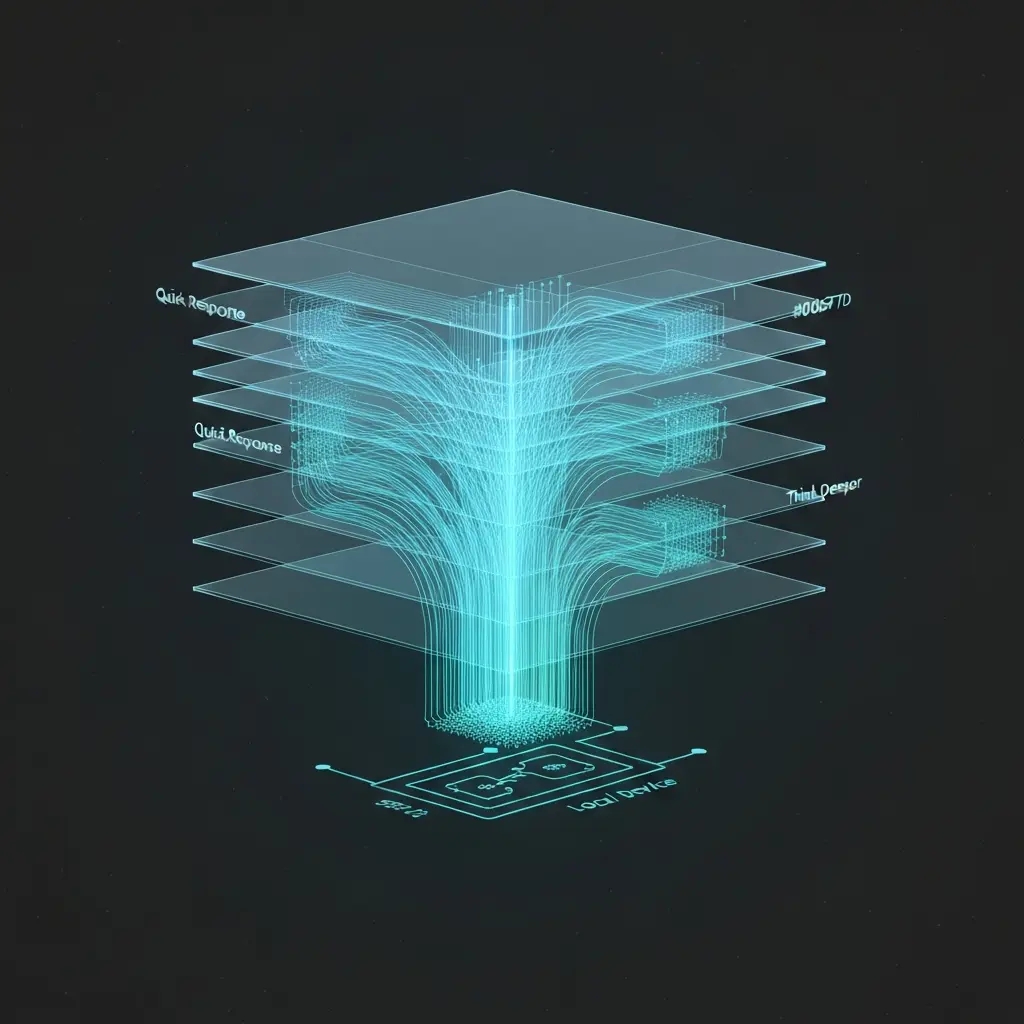
The fundamental shift enabling autonomous agents is the move from stateless conversations to state-preserving entities. Microsoft’s Team Copilot now operates as a continuous group entity within projects, capable of tracking unresolved issues across meetings and documents in real-time. This persistence allows an agent to function as a true project steward. Similarly, Google’s cornerstone update is Gemini 1.5 Pro’s 2-million token context window. This vast capacity enables “Deep Grounding,” where an agent can reason across an organisation’s entire corpus of thousands of documents in a single cycle, creating a unified, accurate knowledge base for all subsequent actions.
Pro Tip: When designing an autonomous agent, explicitly define its “state boundaries.” Determine what information it must remember across sessions (e.g., project decisions) and what should be purged (e.g., transient user preferences) to balance effectiveness with privacy.
The business value is profound. Agents become reliable custodians of process continuity, reducing the human burden of context-switching and information recall. A meeting facilitator agent that remembers action items from last week ensures nothing is lost. An analyst agent grounded in every company report eliminates siloed insights. For a practical example, grounding an agent in all historical RFCs allows it to autonomously validate new proposals against past decisions.
Declarative Logic and Deterministic Execution
Why does deterministic execution matter? For sensitive business processes like procurement or compliance approvals, unpredictability is a critical flaw. The 2026 platforms address this by introducing declarative, logic-driven agent frameworks. Microsoft Copilot Studio now allows developers to define custom agent “Skills” using OpenAPI 3.1 specifications. These declarative agents can perform CRUD operations directly on legacy on-premise systems via Azure Arc, acting as a secure bridge between modern AI and historical infrastructure.
More significantly, M365 Copilot now supports Finite State Machine (FSM) logic for agents. This allows architects to model multi-stage processes with explicit states and transitions. For instance, a procurement approval agent can be programmed to move deterministically from “Request Submitted” to “Budget Checked” to “Manager Approved” based on clear rules, without LLM guesswork. This ensures auditability and reliability.
// Conceptual FSM definition for a Copilot Studio agent skill
{
  "skillName": "MultiStageApproval",
  "states": ["SUBMITTED", "VALIDATED", "APPROVED", "REJECTED"],
  "transitions": [
    {
      "from": "SUBMITTED",
      "to": "VALIDATED",
      "condition": "apiCall('/validation-service', requestData)"},
    {
      "from": "VALIDATED",
      "to": "APPROVED",
      "condition": "getApprovalFrom('/hr-system', userId)"}
  ],
  "initialState": "SUBMITTED"
}
Similarly, Google’s AI Workflows, now generally available, enable autonomous “file-to-data” chains. An agent can be configured to extract metadata from an unstructured PDF invoice and then trigger an exact, deterministic API call to enter that data directly into an SAP or Oracle ERP system. This moves beyond analysis into direct system orchestration.
Specialisation, Integration, and Sovereignty
The final pillar of orchestration is agent specialisation and secure integration. Both providers are moving away from generalist models towards specialised, efficient agents. Microsoft 365 now deploys domain-specific Small Language Models (SLMs) for agents like “Researcher” and “Analyst.” These SLMs reduce token costs by 40% while maintaining 98% accuracy in tasks like financial synthesis, making continuous operation economically viable.
Integration has become seamless and active. Google’s Smart Chips v3 are now AI-active objects embedded within Docs or Sheets. They maintain their own execution state and can independently poll external APIs to refresh live data within a static document. Meanwhile, the low-latency voice-query layer in Docs Live and Gmail Live allows for complex, cross-app commands, enabling fluid human-agent interaction, such as “Build a proposal based on yesterday’s Meet transcript and the Q2 Sheet data.”
Finally, governance is built-in. Both Microsoft and Google have launched “Data Sovereignty Silos,” enabling enterprises to host model weights and inference within specific geographic regions. This directly addresses the requirements of the emerging 2026 Global AI Governance Framework, ensuring that orchestration complies with local data residency laws.
The 2026 Outlook: Towards Agent Ecosystems
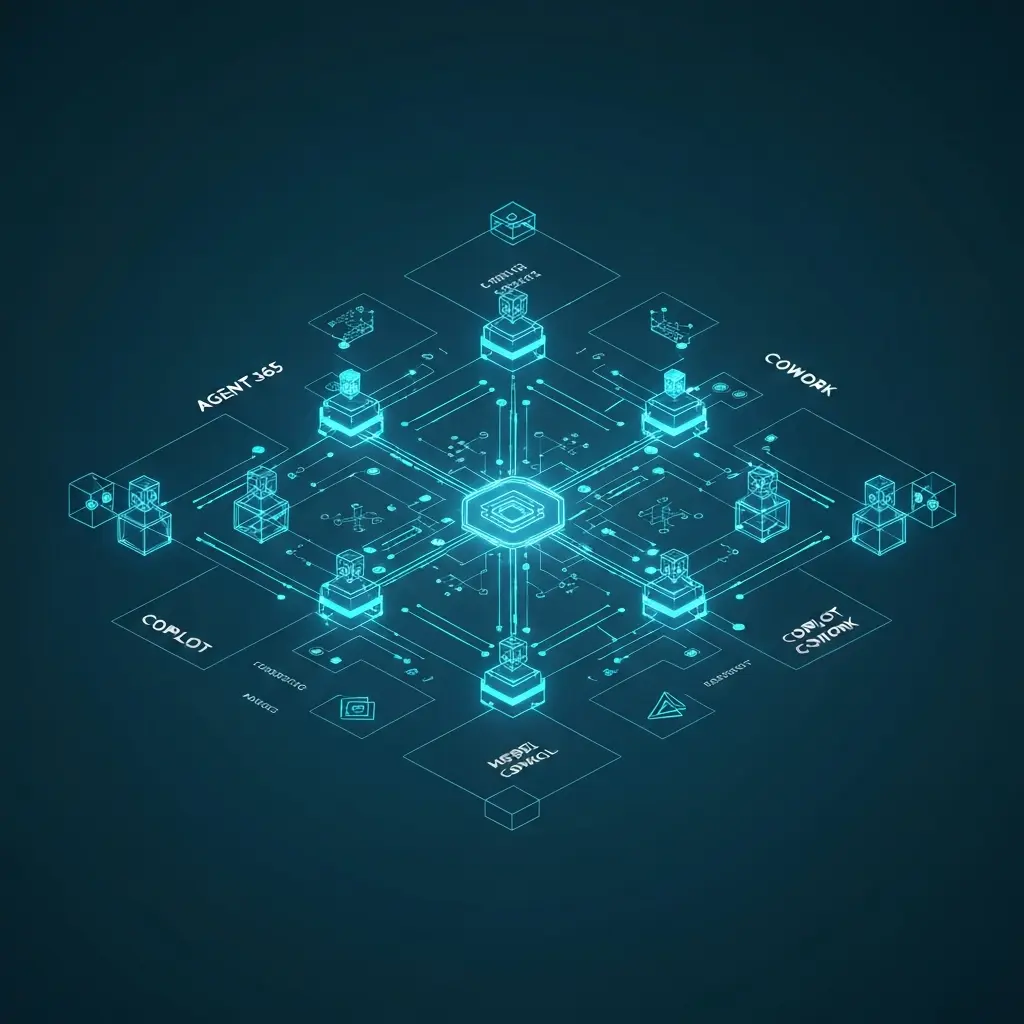
Looking forward, enterprise AI architecture will focus less on individual agents and more on the ecosystems they form. We predict the emergence of standardised “Agent Communication Protocols” within platforms, allowing a Microsoft Team Copilot agent to seamlessly delegate a task to a Google Workspace analyst agent. Architectures will also evolve to include “Agent Supervisor” models that monitor the health, cost, and output quality of subordinate agent networks. Furthermore, the integration of Graph-RAG techniques will become standard, where agents will not only ground themselves in documents but also in the dynamic relationship graphs of company data—understanding not just content, but context and connections.
Key Takeaways
- Autonomous agents require explicit state management design; define what they persist and what they forget.
- Use declarative frameworks like Copilot Studio Skills and Finite State Machines for deterministic, auditable business processes.
- Leverage specialised SLMs for domain-specific agents to drastically reduce operational costs while maintaining accuracy.
- Design workflows that utilise active integration points like AI Smart Chips for real-time data refresh within documents.
- Ensure your AI orchestration architecture complies with data sovereignty regulations by utilising regional inference silos.
Conclusion
The multi-agent shift redefines enterprise AI from a tool to an autonomous operational layer. Success hinges on architecting these persistent, specialised, and deterministic entities within the M365 and Workspace ecosystems. This requires a deep understanding of state preservation, declarative logic, and cost-effective specialisation. At Zorinto, we help clients navigate this transition by designing and implementing cohesive agent ecosystems that turn these advanced capabilities into reliable business advantage.