· Web Architecture · 7 min read
Work IQ vs Personal Intelligence: Engineering the 2026 Context Layer
The April 2026 enterprise AI landscape introduces two distinct architectural paradigms: Microsoft's institutional Work IQ and Google's individual Personal Intelligence.

TL;DR: April 2026 marks a pivotal shift from reactive chat assistants to proactive, autonomous AI systems. Microsoft’s Work IQ creates a persistent organisational memory layer, while Google’s Personal Intelligence synthesises context from individual workflows. The emergence of administrative control planes like Agent 365 and multi-model ecosystems defines the new architecture.
Introduction
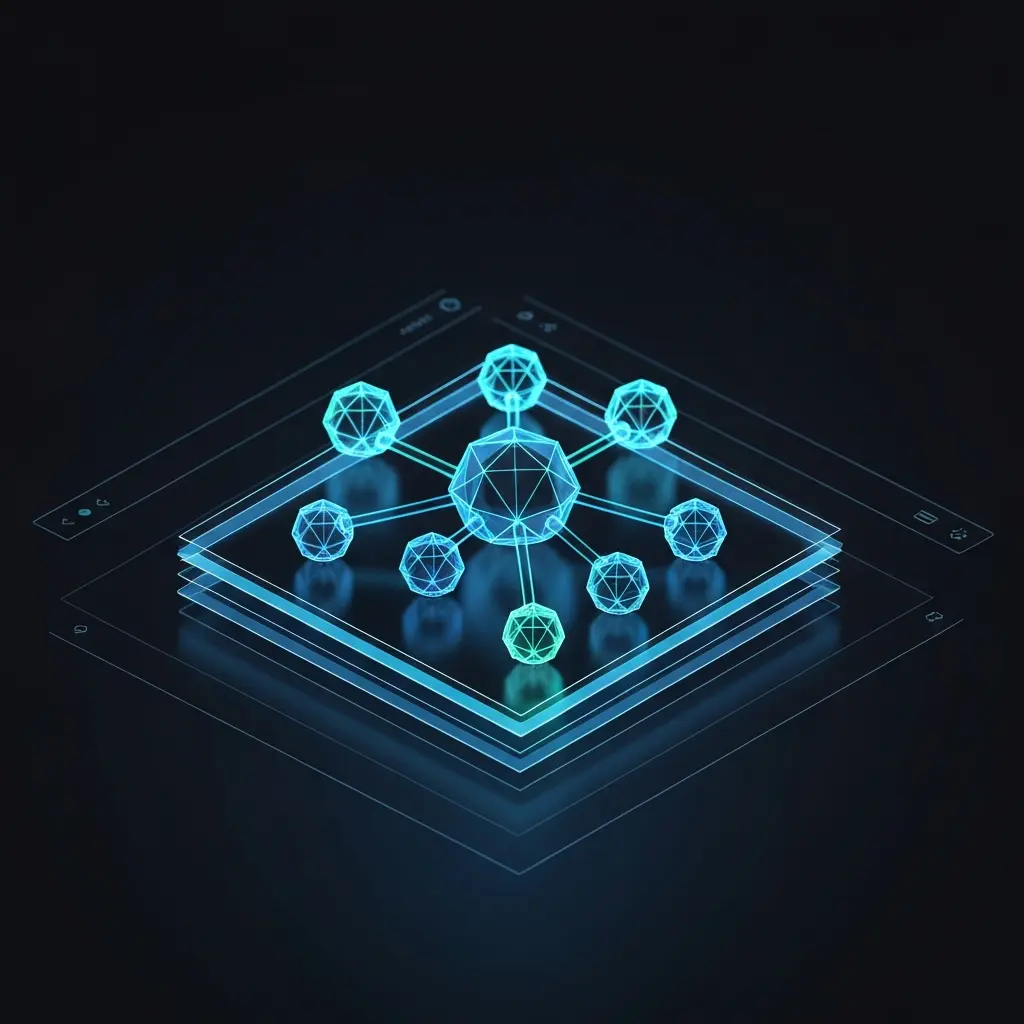
The fundamental architectural problem facing enterprises in 2025 was the reactive, episodic nature of generative AI. Copilots and Assistants operated as isolated tools, grounded solely in the document or email thread they were directly prompted about, lacking a continuous understanding of organisational context or individual workflow. The 2026 landscape, with the General Availability of Microsoft Agent 365 and Google’s Personal Intelligence engine, solves this by introducing a persistent, proactive “context layer.” This layer functions as an intelligent substrate that indexes past decisions, communication patterns, and task histories, transforming AI from a search companion into an autonomous orchestrator of work. The core distinction lies in architectural philosophy: Microsoft’s Work IQ serves the institution’s memory, while Google’s Personal Intelligence serves the individual’s cognitive load.
What is Work IQ?
Work IQ is Microsoft’s newly realised persistent organisational memory layer within the M365 ecosystem. It functions not as a single application but as a foundational context engine that continuously indexes communication patterns, past decisions, and role-based task histories across Teams, Outlook, and SharePoint. Unlike traditional file-based data grounding, Work IQ provides Copilot with a deep understanding of institutional “how” and “why,” grounding its responses in the organisation’s collective intelligence and procedural history. This shift enables AI to proactively suggest actions based on historical precedent and team dynamics, rather than merely reacting to user prompts.
The Architectural Divide: Institutional vs. Personal Context
The 2026 enterprise context layer is defined by a fundamental architectural dichotomy. Microsoft’s Work IQ is engineered from an organisational-centric perspective. It creates a unified, persistent memory for the enterprise, indexing how decisions were made in previous meetings, which stakeholders influenced particular projects, and the typical workflows associated with specific roles. This allows Copilot to answer “What did we decide last quarter regarding this vendor?” with nuanced context about the debate and final rationale.
Conversely, Google’s Personal Intelligence engine, which reached general availability in February 2026, is architecturally personal. It natively integrates Gmail, Drive, and Calendar to auto-synthesise ‘Meeting Briefs’ without manual triggers. Its genius lies in autonomously reading the relevant document versions and email threads before a call begins, synthesising a personalised brief for the individual user based on their specific involvement and pending actions. This reduces cognitive load but does not inherently share that synthesised context with the wider team.
Pro Tip: When planning your 2026 AI strategy, first identify your primary optimisation target: institutional coherence or individual productivity. This decision will heavily influence your platform alignment and governance model.
The Rise of the Administrative Control Plane
The move from reactive tools to autonomous layers necessitates unprecedented administrative control. Microsoft’s Agent 365, a new control plane released in May 2026, is the direct response to this need. It enables IT teams to oversee the full lifecycle of autonomous agents spawned by Work IQ and Copilot, including approval workflows for sensitive tasks and real-time activity auditing. This is complemented by security innovations like the Purview “Agentic Secret Finder,” designed to detect exposed credentials buried within the logs of AI-agentic workflows.
Similarly, governance is becoming quantifiable. Both SharePoint and Google Drive now provide ‘AI Citations’ metrics, tracking how many unique users and AI agents have accessed or referenced specific files. For administrators, this transforms content utility measurement from a human-centric activity log to an AI-first search analytics dashboard, highlighting which documents truly fuel the organisational intelligence layer.
# Example conceptual API call to check Agent 365 lifecycle status
POST /agent365/api/v1/agents/{agentId}/lifecycle
Authorization: Bearer {token}
Content-Type: application/json

{
  "action": "audit",
  "auditScope": "approvalWorkflow"
}
For official documentation on Microsoft’s approach to governing AI agents, refer to the Microsoft Purview documentation.
Engineering the Multi-Model, Multi-Mode Ecosystem
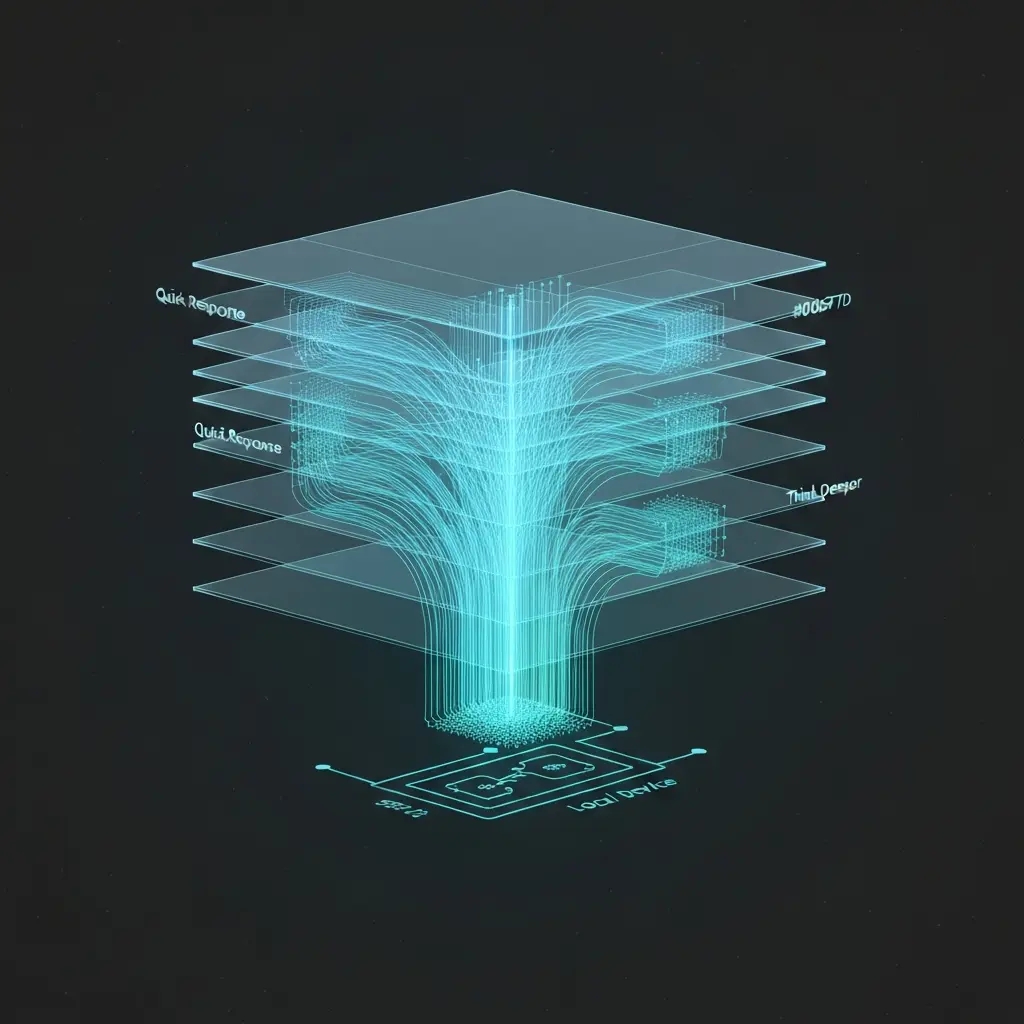
Underpinning these context layers is a significant evolution in underlying model infrastructure, moving enterprises away from a single, monolithic LLM. Microsoft 365 Copilot has transitioned to a multi-model ecosystem, featuring an admin-controlled model selector. This allows enterprise tenants to toggle between OpenAI models and, crucially, Anthropic Claude 3.5 Sonnet for specific, complex reasoning tasks—leveraging different model strengths for different workloads.
Google’s answer is the Gemini 3.1 Pro flagship model and its ‘Deep Think’ enhanced reasoning mode. Deep Think executes multi-hypothesis analysis for complex mathematical and scientific queries, significantly reducing hallucinations in technical documentation. This specialised mode, coupled with features like Gemini 3.1 Flash Text-to-Speech for Google Vids, illustrates a platform providing both broad capability and deep, vertical specialisation.
Pro Tip: The new multi-model selectors are not just for performance. Use them for cost optimisation by routing simpler, high-volume tasks (like email drafting) to faster, cheaper models, and reserving premium models for critical reasoning tasks.
Why Does Autonomous Execution Matter?
The final architectural leap is from assisted generation to autonomous execution. Features like Microsoft’s Copilot Cowork ‘Agent Mode’ represent this shift. It allows the AI to execute long-running, background tasks—such as cleaning large Excel datasets or updating multi-page Word proposals—while the user continues working on other projects. This turns the AI into a true coworker, not just a conversational interface. It leverages the institutional context from Work IQ to perform these tasks correctly according to organisational norms.
This autonomy, however, introduces new commercial and access models. Google Workspace now requires the ‘AI Expanded Access’ add-on for higher-tier usage of advanced media features like Veo 3.1 video generation. The enterprise architectural decision now includes not just capability, but also licensing and cost-control for autonomous, resource-intensive AI actions.
// Conceptual pseudo-code for triggering an autonomous Agent Mode task
CopilotCowork.startAgentTask({
  taskType: 'dataCleaning',
  targetResource: 'Sales_Q4_DataSet.xlsx',
  parameters: {
    standardiseDateFormat: true,
    removeDuplicateRows: true,
  },
  callbackWebhook: 'https://your-org.com/agent-complete',
});
The 2026 Outlook
Looking ahead, the 2026 enterprise AI architecture will crystallise around these two context paradigms. We predict the emergence of hybrid solutions seeking to bridge the institutional and personal intelligence layers, likely through standardised context exchange APIs. Security and governance tools like Purview DSPM (Data Security Posture Management) will evolve specifically for AI-agentic workflows, focusing on the new risk surface of autonomous systems accessing and manipulating data. Furthermore, the ‘AI Citations’ metric will become a key input for content lifecycle management, automatically archiving unused documents and promoting high-value assets within the AI’s search index.
Key Takeaways
- The core 2026 shift is from episodic AI tools to a persistent, proactive context layer that understands organisational or individual history.
- Choose your platform alignment based on whether institutional memory (Microsoft Work IQ) or personal cognitive load reduction (Google Personal Intelligence) is your primary goal.
- Implement administrative control planes like Agent 365 immediately to govern the lifecycle and security of autonomous AI agents.
- Leverage new multi-model selectors to optimise both performance and cost by routing different task types to specialised LLMs.
- Plan licensing and access models around autonomous execution features, which consume significantly more computational resources.
Conclusion
The April 2026 landscape definitively ends the era of the AI chatbot. The future belongs to engineered context layers—persistent, intelligent substrates that empower autonomous systems. Whether anchored in the organisation’s collective memory or the individual’s workflow, this layer becomes the single most critical component for enterprise AI efficacy. Success now depends on strategically choosing your context paradigm and implementing the robust governance it necessitates. At Zorinto, we help clients navigate this architectural transition by designing and implementing the secure, governed context layers that turn these platform capabilities into tangible business advantage.